🍗🍗🍗 NEW chicken bundles. Save by buying in bulk SHOP PASTURED CHICKEN.
The product you are looking for could not be found.

Why We Graze for Balance (Not Just Growth)

written by

Prairie Foods

posted on

July 11, 2025

beef-closeup.jpg

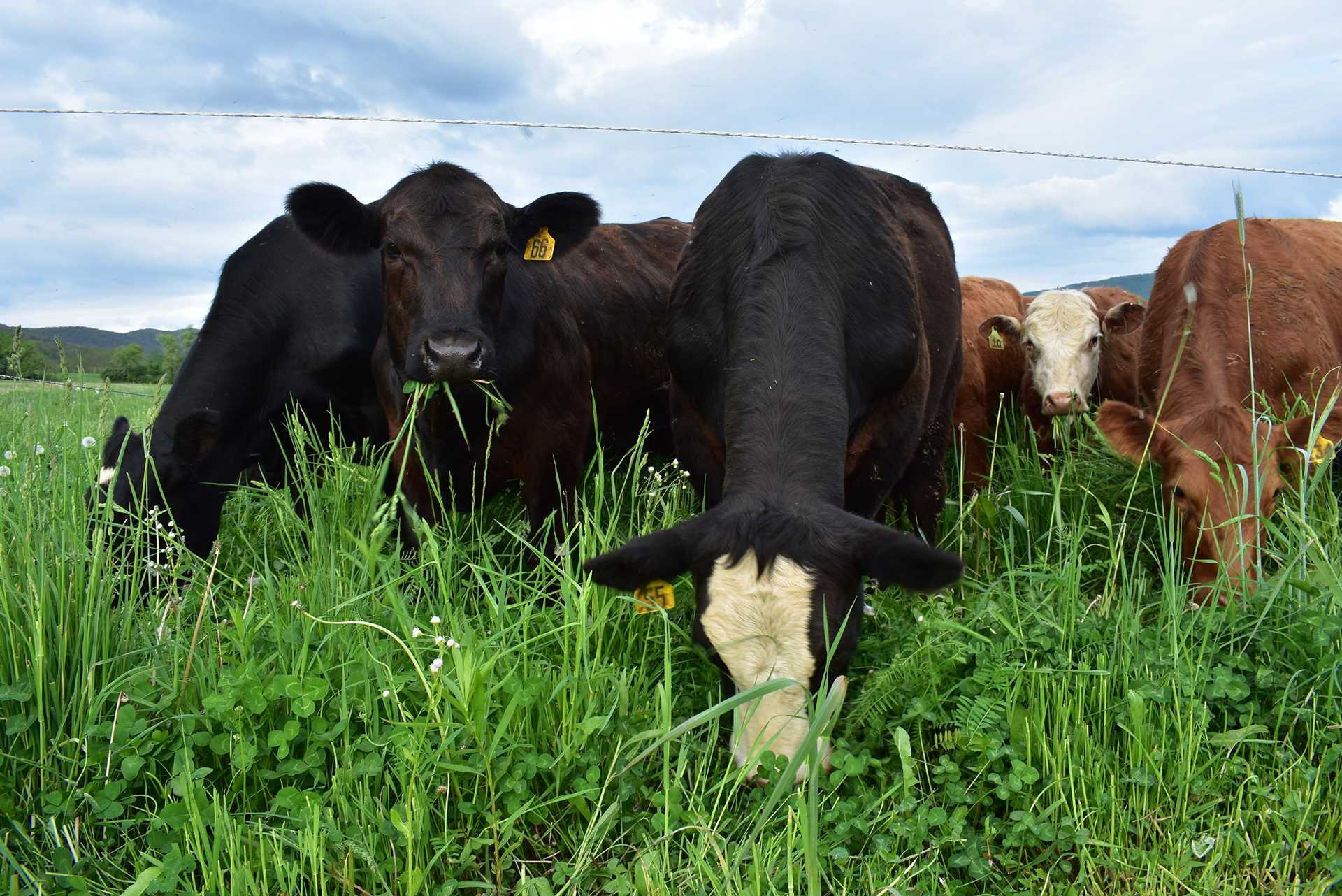
We graze our cows in a way that lets them consume both fresh green grass and older brown grass at the same time. It’s not by accident—it’s because cows, like engines, need a precise balance to run well.

Michelle, a mentor of ours from Africa, once compared grazing to maintaining an engine. An engine needs the right mix of gas, oil, and air. Too much of one—or not enough of another—and it doesn’t run right. Cows are similar. Their “engine” runs on protein, energy, and fiber. If any of those are out of balance, things fall apart.

Most conventional farms fix these imbalances by supplementing forage with corn (energy), soy (protein), and sometimes straw (fiber). But as graziers, we aim to achieve this balance through forage alone. No grain. No shortcuts.

The hardest part? Energy.

Spring grass is lush and green—high in protein, but often lacking energy and fiber. Think of it like running an engine with all oil, no gas, and no air. Cows grazing only early spring grass may look like they’re getting plenty, but it’s an imbalanced diet that can hurt performance and digestion.

That’s why we intentionally graze cows on a mix of new growth and leftover brown grass or dry hay. These older, more fibrous forages slow the rumen down and help convert those lush greens into usable nutrition.

We also try to graze just the top three inches of grass, where the energy is highest. Protein levels tend to be consistent throughout the blade, but energy drops the closer you get to the base. The more deeply cows graze, the more unbalanced their intake becomes.

Timing Matters

Cool-season grasses grow quickly in the spring—going from a tiny blade to a mature, seed-headed plant in just three weeks. The sweet spot for grazing is right before that seed head appears. For about one week, the grass naturally offers the ideal balance of protein, energy, and fiber. Cows thrive. Milk production increases. Weight gain accelerates.

But that moment doesn’t last. Once grasses go to seed, they become fiber-dense and lose nutritional punch. That’s why spring grazing requires careful timing—and sometimes a little compromise.

If we wait too long, the grass gets too mature. If we graze too early, the protein outweighs everything else. On our farm, we usually start spring grazing with a bit of hay to rebalance the fiber-to-protein ratio, then gradually transition as the pastures hit their prime.

Still, we can't graze the entire farm in one perfect week. So some pastures get grazed a little early, others a little late. That’s okay. It's all decent feed—and we’re doing the best we can with what nature offers.

Beyond the 30-Day Rule

Traditional grazing advice often recommends re-grazing cool-season grasses around 30 days after the last rotation. That’s when grass typically hits peak energy and protein levels.

But we’ve found that waiting 40–50 days offers something better: balance.

Yes, the energy and protein levels may be slightly lower than at 30 days—but they’re more in sync with each other, and fiber content is higher. The result is a more complete feed that supports long-term animal health and stronger rumen function.

Sometimes, less is more.

Cattle might grow a little slower or give a bit less milk, but we’ve noticed major improvements in overall wellness—better foot health, fewer issues with pinkeye or breeding, and richer flavor in the meat. Our dairy cows may give slightly less volume, but their milk is higher in cream and has better flavor and shelf-life.

It’s Not Just About the Cow

This grazing method doesn’t just benefit the animal—it benefits the soil. And that’s the best part of the story.

When we balance our cows’ diets with the right kinds of forages, we’re also feeding our soil microbes the right kinds of carbon. This balance underground is every bit as important as the one above ground.

We’ll unpack that in the next newsletter—how grazing timing, residue, and carbon all play a role in building soil fertility the regenerative way.

A Note to Fellow Graziers

This is what’s working well on our farm. It’s not the only way, and it may not be the best way for everyone. Every farm has its own rhythms, resources, and goals. If you’ve found a system that works well for your herd and your land, we’d love to hear from you.

Let’s keep learning together.

More from the blog

The incredible work and planning needed to bring raw milk to you.

When you pour a cold glass of raw milk, you're holding the result of months (if not years), of careful planning and daily dedication from small dairy farmers. Most people have no idea what goes into producing raw milk. It's not just about milking a cow. It's about managing an entire ecosystem, planning around nature's cycles, and showing up every single day no matter what. Let's pull back the curtain on what it really takes. Planning for Milk Production: It All Starts with Spring Raw milk production doesn't just happen. It starts with careful planning around when calves are born. Most small dairy farmers plan for their cows to give birth in spring. Why? Because that's when pastures are lush and full of nutrients, giving mama cows exactly what they need to produce rich, nutrient-dense raw milk. But here's the thing: a dairy cow doesn't produce milk forever. She goes through natural cycles. After giving birth, she'll produce milk for about 10 months before she needs to be "dried off" to rest and prepare for her next calf. That means farmers are constantly planning which cows will be producing milk at any given time to keep a steady supply. And then there's the cow herself. A heifer (young female cow) can't start producing milk until she's had her first calf, which is usually around 2 years old. So if a farmer wants to expand their raw milk production, they're planning years in advance. But wait, there's more planning: demand. How many customers will want raw milk? Are we growing or losing milk customers? Farmers have to predict this months ahead because you can't just turn milk production on and off like a faucet. Too little milk means disappointed customers. Too much means scrambling to process it into butter or cheese before it goes to waste. Planning for Daily Milking: The 365-Day Commitment Here's something most people don't think about: cows need to be milked every single day. No exceptions. Sick? Too bad. Christmas morning? The cows don't care. Family vacation? Better have someone lined up to cover. Raw milk farmers can't just take a day off. Those cows are counting on them, and if they're not milked on schedule, it's not just uncomfortable for the cows, it can lead to serious health issues. This is one of the biggest sacrifices small dairy farmers make. It's a 365-day-a-year commitment that requires incredible dedication and backup plans for when life happens. Planning for Winter: Stocking Up on Hay When winter hits and pastures go dormant, dairy cows still need to eat. A lot. Like around 30lb (or 3 cubic feet) of hay per day per cow. This is where 100% grass-fed dairy farming gets especially challenging. Those feedlot cows pumping out conventional milk? They're fed corn and soy that sits waiting in warehouses. No seasonal planning needed. Just order some more feed. But grass-fed farmers? They're working with nature, which means they need to do a whole lot more planning. During summer and fall, farmers work to cut, bale, and store enough hay to last through the cold months. As they say you have to "make hay when the sun shines". Most try to grow as much of their own hay as possible. It's usually better quality, they know exactly what's in it, and it saves money. But here's where things get tricky: farming doesn't always go as planned. If it's too hot and dry, pastures might not grow well enough to make enough hay. If it rains right after you've cut hay, well... goodbye hay. It can mold before you get it baled, and moldy hay is worthless (even dangerous) for cows. For a small grass-fed dairy herd, you might need hundreds (or even thousands) of bales to make it through winter. Run out in February? You're scrambling to buy hay at premium prices, and quality is anyone's guess. It's a constant gamble with weather, timing, and Mother Nature's cooperation. Planning for Summer: Regenerative Grazing Management You'd think summer would be easier, right? The grass is growing, the cows are happy. But here's the difference between just "grass-fed" and truly regenerative farming: it's not just about having cows on pasture. It's about the quality of that pasture. Sure, any grass-fed farmer can turn cows out to graze. But a regenerative farmer pays much closer attention. They rotate their cows to fresh pasture at least once a day (sometimes more) to prevent overgrazing. Then, and this is critical, they let the pasture rest and regenerate before bringing cows back. This regeneration period allows the grass to grow deep roots, building soil health and creating more nutrient-dense forage. Healthier soil means healthier grass. Healthier grass means healthier cows. Healthier cows mean more nutritious raw milk. It's all connected. Let one section get overgrazed and it can take weeks or months to bounce back. That means constantly planning grazing rotations, monitoring grass height, and moving cows rain or shine. It's physically demanding work that happens every single day during growing season. But it's what creates the kind of raw milk that's truly different from anything you'll find in a grocery store. And There's So Much More... We haven't even talked about: A2/A2 testing: All of our farmers test their cows for the A2/A2 genetics. The means that the cows produce milk that's easier to digest for some people. This is an added step and cost, especially when you're building a herd and need to test each animal. But it's worth it to offer the highest quality raw milk possible. Milk balancing: How much milk goes to fluid milk versus yogurt, butter, or cheese? That requires math and planning. Farmers have to predict customer demand across all their products and adjust accordingly. Bottling schedules: Raw milk is highly perishable. Farmers have to bottle on a strict schedule to ensure freshness. Bottle inventory: Running out of bottles means milk sits in bulk tanks instead of getting to customers. Cleaning: Every piece of milking equipment has to be thoroughly cleaned after every milking to ensure raw milk safety. A lot of time is needed for this. Testing: Responsible raw milk farmers like ours regularly test their milk to ensure it meets quality and safety standards. The list goes on. When Things Don't Go as Planned (And They Often Don't) In a perfect world, everything runs smoothly. Cows produce consistently, demand matches supply, and nothing breaks. But farming isn't a perfect world, especially with natural farming. During certain times of year (especially winter) milk production naturally drops. Cows often produce less when they're eating hay instead of fresh grass. That means we might not have enough raw milk for new customers, though we always make sure our subscribers are taken care of first. Other times, we have more milk than we can bottle. When that happens, we turn it into butter or cheese to preserve it for later. One thing's for sure: we never let that liquid gold go to waste. These fluctuations are just part of working with nature instead of against it. You can't force a cow to produce more milk, and you can't control the seasons. Why This All Matters This kind of farming, the old-fashioned, pasture-based, daily-commitment kind, has become rare. It's hard work. It's unpredictable. And it requires a level of dedication that most people can't fathom. But our Amish and Mennonite dairy farmers keep doing it because they believe in producing real food the right way. Raw milk that comes from cows living the way they were meant to live: on pasture, eating grass, and being cared for by farmers who see them as more than production units. And honestly? They couldn't do it without you. Your support makes it possible for these small plain farmers to keep their dairy operations going. Every gallon of raw milk you buy is a vote for this kind of farming. It tells these families that their work matters, that people still care about where their food comes from, and that doing things the hard way (the right way) is worth it. So the next time you pour a glass of raw milk, remember: it's not just milk. It's months of planning, daily dedication, and a farmer's commitment to doing things the old-fashioned way. Thank you for supporting small dairy farmers who refuse to cut corners. SHOP RAW DAIRY

Thawing Frozen Meat: The Fundamentals

All of our meat cuts are frozen at peak freshness, locking in all the amazing nutrients regeneratively raised meats offer. But did you know that how you thaw your meat can be just as important as how it's frozen?

What's actually IN raw milk? There are 3 big reasons to choose it.

You've probably heard people talk about raw milk being "more nutritious" than pasteurized milk. But what does that actually mean? What's in raw milk that makes it different? And why does it matter for your health? If you're considering making the switch to raw milk, understanding what you're getting (and what pasteurization destroys) is important. Here are the 3 big components that make raw milk uniquely nourishing and what happens when you heat them away. 1. Living Enzymes That Help You Digest Raw milk contains naturally occurring enzymes. Enzymes are proteins that facilitate chemical reactions in your body. The main digestive enzymes in raw milk include proteases, lipase, and phosphatase. What These Enzymes Do Proteases help break down milk proteins, making them easier to digest and absorb. This is especially important for people who struggle with dairy digestion.Lipase aids in fat digestion, helping your body break down and utilize the cream and butterfat in milk more efficiently.Phosphatase plays a crucial role in helping your body absorb calcium and other minerals from the milk. Why This Matters These enzymes make milk "self-digesting." Your body doesn't have to work as hard to break down and absorb the nutrients, because the milk is helping do the work itself. The enzymes essentially pre-digest components of the milk, making it easier on your digestive system. What Pasteurization Does Heat destroys these enzymes completely. In fact, the absence of phosphatase is actually used as a test to confirm milk has been properly pasteurized, because this enzyme is one of the most heat-resistant. Pasteurized milk has zero active enzymes left. Your digestive system has to do all the work on its own, without any help from the milk itself. This is one reason why many people who struggle with pasteurized milk have no problems with raw milk. The enzymes are still alive and actively helping with digestion. 2. Beneficial Bacteria and Probiotics Raw milk isn't sterile... and that's actually a good thing. It contains beneficial bacteria and natural probiotics that support gut health, immune function, and overall digestion. When milk comes from healthy, grass-fed cows raised on clean pastures with proper handling and safety protocols, these bacteria are beneficial (not harmful). What Beneficial Bacteria Do Support your gut microbiome - The good bacteria in raw milk help maintain the balance of microorganisms in your digestive system, which is foundational to immune health.Crowd out harmful bacteria - Beneficial bacteria compete with and suppress potentially harmful bacteria, creating a healthier overall environment.Aid in nutrient absorption - These bacteria help your body extract and absorb nutrients more effectively from the food you eat.Produce additional vitamins - Beneficial bacteria can produce vitamins like B12 and K2 right in your digestive system.Can jumpstart your body into producing the lactase enzyme - Lactase is the enzyme needed to digest lactose, milk sugar. And this is why some people who are lactose-intolerant (produce zero or not enough lactase) can handle raw milk but not pasteurized. The Living Food Difference Raw milk from healthy, grass-fed cows on clean pastures contains the good bacteria your body needs. It's a living and probiotic food, similar to yogurt, kefir, sauerkraut, or kombucha. What Pasteurization Does Heat kills ALL bacteria, both good and bad. Pasteurized milk is essentially "dead" milk, sterile, lifeless, with nothing left to support your gut microbiome. The very bacteria that make raw milk a living, probiotic food are completely destroyed by the pasteurization process. This is why raw milk supports gut health and immunity in ways pasteurized milk simply cannot. The beneficial bacteria that could help your digestive system are no longer present. 3. Heat-Sensitive Vitamins and Minerals Raw milk is naturally rich in vitamins and minerals: B vitamins (B2, B12), vitamin C, vitamin A, vitamin D, calcium, magnesium, zinc, and more. But here's the problem: many of these nutrients are heat-sensitive. They don't survive the pasteurization process intact. What Pasteurization Does to Nutrients Vitamin C is significantly reduced or completely destroyed by heat.B vitamins (especially B6 and B12) are partially degraded during pasteurization.Folate levels drop when milk is heated.Vitamin A and Vitamin D can be damaged or altered by heat processing.Mineral absorption becomes more difficult. While the minerals themselves (like calcium and magnesium) remain in pasteurized milk, your body can't absorb and use them as effectively without the living enzymes and beneficial bacteria that facilitate mineral absorption. The Bioavailability Factor Pasteurized milk might still contain some vitamins. They're often added back artificially after processing to replace what was lost. But your body can't absorb and use synthetic vitamins as effectively as naturally occurring ones. And without the living enzymes and bacteria, even the vitamins that survive pasteurization are harder for your body to access and utilize. Raw milk delivers vitamins and minerals in their natural, bioavailable form. It's the way your body recognizes and uses them best. Everything works together synergistically: the enzymes help break down nutrients, the bacteria aid absorption, and the vitamins remain in their intact, natural state. The Bottom Line: Raw Milk Is Alive Here's the fundamental difference: Pasteurized milk is dead milk. The heat process kills the enzymes, destroys the beneficial bacteria, and degrades heat-sensitive vitamins. What's left is nutritionally inferior. It's harder to digest, less bioavailable, and stripped of the living components that make milk truly nourishing. Raw milk from healthy, grass-fed cows is alive: Living enzymes that help you digest proteins, fats, and minerals. Beneficial bacteria that support your gut microbiome and immune system. Vitamins and minerals in their natural, bioavailable form that your body can actually use. This is why people choose raw milk: for maximum nutrition and digestibility. Not All Raw Milk Is Created Equal It's important to note that the quality and safety of raw milk depends entirely on how it's produced. Raw milk from sick cows in unsanitary conditions is NOT safe. Raw milk from confinement dairies with poor handling practices is not the same as raw milk from healthy, grass-fed cows on well-managed pastures. Quality matters... a lot. Our Raw A2A2 Milk Standards Our raw milk comes from 100% grass-fed A2A2 cows on regenerative pastures. Here's what makes it different: ✓ Never heated or pasteurized - All enzymes, bacteria, and nutrients remain intact and alive. ✓ Rapid cooling to 34°F - Milk is cooled immediately after milking to preserve freshness and safety. ✓ Monthly lab testing - We test every month to ensure safety and quality. ✓ Gold Standard safety protocols - Strict cleanliness, organic cleaning products, 160°F hot water sanitation, proper equipment maintenance. ✓ Time limits - Milk is never held longer than 3 days in the bulk tank to ensure maximum freshness. ✓ A2A2 genetic testing - All our dairy cows are tested to ensure they produce only A2 beta-casein protein, which is easier to digest for most people. ✓ 100% grass-fed - Cows graze fresh pasture during growing season and eat hay in winter. Never grain, never confined. ✓ Fresh within days - From the cow to your refrigerator within days, not weeks. This is milk the way nature intended. Alive, nourishing, and safe. Who Should Choose Raw Milk? Raw milk is ideal for people who: Want maximum nutrition and digestibility from their dairy. Struggle with pasteurized milk but want the benefits of dairy. Care about eating living, probiotic foods. Want to support regenerative agriculture and independent farms. Prefer minimally processed, traditional foods. Are looking for bioavailable nutrients in their natural form. A Note on Digestibility Many people who can't tolerate pasteurized milk have zero issues with raw milk. This is likely because: The living enzymes (especially proteases) help break down milk proteins. Beneficial bacteria aid digestion.Beneficial bacteria can jumpstart your body into producing lactase. The A2 protein is naturally easier to digest than A1 protein. The milk is in its natural, unaltered state. If you've struggled with dairy before, raw milk from grass-fed A2A2 cows might be worth trying. The Choice Is Yours We're not here to tell you what to drink. We're here to give you accurate information, so you can make informed decisions for your family. Raw milk offers something pasteurized milk cannot: living enzymes, beneficial bacteria, and heat-sensitive nutrients in their natural, bioavailable form. For families who prioritize nutrition, digestibility, and supporting independent regenerative farms, raw milk makes sense. If you're ready to try truly alive, nutrient-dense milk from grass-fed A2A2 cows, we're here. SHOP RAW A2A2 DAIRY. Questions About Raw Milk? We know raw milk can seem unfamiliar or even intimidating if you've never tried it before. If you have questions about safety, storage, taste, or anything else, we're happy to answer them. Just reach out. We're real farmers, not a corporate customer service department. We actually want to hear from you. CONTACT US.